
Astrogeomanity Museum & Academy

✡️ 16. Judaism
A journey through time through faith, tradition, identity and continuity
%20The%20Tree%20of%20Sephiroth%20(Kabbalistic%20Tree%20of%20Life).jpeg)
1
🌳 The Tree of the Sephiroth (Kabbalistic Tree of Life)
📊 Data
Name: 🧬
The Tree of the Sephiroth
Period: ⏳
Jewish Kabbalah (Middle Ages and Later)
Location: 📍
Jewish spiritual tradition ✡️
Type: 🧾
Mystical/Kabbalah Diagram ✨
🧾 Description
The Tree of Sephiroth is a spiritual structure 🌳
Describing the way in which the deity
Discovered in the world
🔟 The Sefirot
Crown 👑
Wisdom 💡
Intelligence 🧠
Kindness ❤️
Heroism ⚔️
Glory ⚖️
Victory 🏆
Your Majesty 🙏
Foundation 🔗
Queen 👑
🌌 Meaning
The spheres are channels.
of divine energy
🔗 Structure
The tree is built of lines and connections.
The ones that connect the spheres
🧠 Idea
Balance between
Kindness and bravery
Creates harmony
📖 Source
The Book of Zohar 📜
Kabbalah
🌍 General information
The tree of the sephirot symbolizes
👉 The structure of the spiritual universe
And the relationship between man and divinity
💡 Main idea
👉 Everything is connected through the spheres 🔥

2
🌳 עץ הדעת טוב ורע
📊 Data
Name: 🧬
The tree of the knowledge of good and evil
Period: ⏳
Genesis Period (Eden)
Location: 📍
Paradise 🌿
Type: 🧾
Symbolic biblical tree ✨
🧾 Description
The tree of the knowledge of good and evil is a central tree 🌳
Located in paradise
🍎 Role
The tree represents knowledge.
Of good and evil
👤 The connection to Adam and Eve
God commanded Adam
Do not eat the fruit of the tree.
🐍 The event
The serpent tempted Eve
To eat the fruit
And Eve also gave to Adam
⚡ The result
Their eyes were opened.
And they understood good and evil.
🚫 Punishment
Expelled from Paradise
And lost their innocent lives
📖 Source
Book of Genesis 📖
🌍 General information
The tree symbolizes
👉 Free choice and moral awareness
💡 Main idea
👉 Knowledge brings responsibility 🔥

3
📯 שופר
📊 Data
Name: 🧬
shofar
Period: ⏳
Biblical tradition to this day
Location: 📍
The people of Israel 🌍
Type: 🧾
Religious wind instrument ✡️
🧾 Description
The shofar is a ram's horn 🐏
Used as a sacred wind instrument
📯 Usage
Mainly heard in:
New Year's Eve 🍎
Yom Kippur 🙏
🔊 Sounds
blast
Fractions
cheer
📖 Source
The commandment of blowing the shofar
In the Torah 📖
🔥 Meaning
The shofar symbolizes
👉 Spiritual awakening
And answer
⚡ Role
Calling a person
To return to the straight path
🌍 General information
The shofar is one of the symbols
The oldest in Judaism
💡 Main idea
👉 A voice that awakens the soul 🔥
4
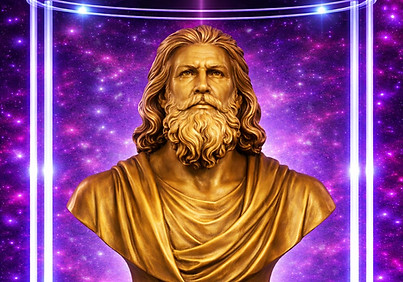
🧔♂️ Noah
📊 Scientific data
Name: 🧬
Noah
Period: ⏳
~Ancient period (about 4000–5000 years ago according to tradition)
Location: 📍
The Ancient East 🌍
Type: 🧾
Biblical figure – survivor of the flood 🌊
🧾 Description
Noah was a righteous man in his generation ✨
According to the biblical story
Humanity was corrupt.
God commanded him to build an ark 🚢
The ark was used to save:
✔ Noah and his family 👨👩👦
✔ Animals of all kinds 🐾
The flood covered the earth 🌊
After the flood
Noah became the father of the new humanity 🌍
The rainbow 🌈
It was a sign of a covenant with God.
📜 Sources
Bible – Book of Genesis (Chapters 6–9) 📖
📖 Studies and discussions
Similar stories exist
In ancient cultures
such as:
The Epic of Gilgamesh
🌍 General information
Noah is a central character
In the story of the flood
And symbolizes a new beginning for humanity
⚠️ Scientific discussion
There is no direct historical evidence for a global flood.
But the story may be based
About major floods in the area
💡 Hypotheses
The flood may reflect
Ancient climatic events

5
🛶 Noah's Ark
📊 Data
Name: 🧬
Noah's Ark
Period: ⏳
Genesis Period (Before the Flood)
Location: 📍
Ancient World → Mount Ararat 🌍
Type: 🧾
Biblical Ark / Rescue Tool ✨
🧾 Description
Noah's Ark is a large wooden vessel 🪵
Built by Noah
According to the command of God
📏 Structure
The box was very large 📐
With three floors
And one window
🐾 Goal
To save Noah, his family
And the animals
From the flood
🌧️ The event
The flood covered the whole earth.
And the ark floated on the surface of the water.
🕊️ End sign
Noah sent a dove
Which returned with an olive leaf 🌿
🏔️ End
The Ark rested on the Ararat Mountains.
After the water recedes
📖 Source
Book of Genesis 📖
🌍 General information
The box symbolizes
👉 Salvation, a new beginning and faith
💡 Main idea
👉 Obedience to God brings salvation 🔥

6
🧢 Tallit and kippah
📊 Data
Name: 🧬
Tallit and Kippah
Period: ⏳
Jewish tradition (ancient to the present day)
Location: 📍
Jewish communities around the world 🌍
Type: 🧾
Jewish religious clothing ✡️
🧾 Description
The tallit and the kippah are sacred items of clothing.
Used for prayer and the worship of God
🧢 Kippah
Small head covering
Symbolizing piety 🙏
And the presence of God above man
🧣 Tallit
Prayer garment with tassels 🧵
Worn during prayer
📖 Source
The commandment of tzitzit in the Torah
Book in the desert 📖
🔗 Meaning
The Tallit reminds us of the commandments
And the kippah symbolizes humility.
⛪ Usage
In daily prayers
Sabbaths and holidays
🌍 General information
They symbolize
👉 Jewish identity and faith
💡 Main idea
👉 Daily connection between man and God 🔥
7
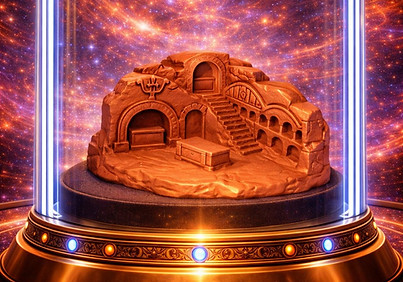
✡️ קברים יהודיים
📊 Data
Name: 🧬
Jewish graves
Period: ⏳
From the Biblical period (~20th century BC) to the present day
Location: 📍
The Land of Israel and the Jewish World 🌍
Type: 🧾
Religious and historical burial system ✡️
🧾 Description
Jewish burial is an ancient tradition that combines faith
Respect for the dead, and spiritual continuity
🏺 The Ancient Period – The Fathers
During the patriarchal period, burials were in natural or rock-cut caves 🪨 that served as family tombs.
⚰️ Cave of the Patriarchs
Our father Abraham purchased the cave in Hebron
As a first family grave
👑 Buried there
Abraham and Sarah, Isaac and Rebecca, Jacob and Leah
📖 Source
Genesis 23 📖
🪨 Ancient burial features
Rock-cut caves, multi-generational family burials
Using shelves (racks)
🏛️ First Temple Period (1000–586 BCE)
Development of rock tombs, with orderly burial chambers
⚰️ Features
Family tombs, simple decorations, continuity of ancestral tradition
🏛️ Second Temple Period (516 BCE – 70 CE)
The peak of the development of Jewish burial
and complex burial systems
⚱️ Glossary
Collecting bones after dismemberment, into stone boxes (gloscamas)

8
👤 אברהם אבינו
📊 Scientific data
Name: 🧬
Our Father Abraham
Period: ⏳
Patriarchal Period (~18th century BC according to tradition)
Location: 📍
Ur Chaldees → Haran → Land of Canaan (Eretz Israel) 🇮🇱
Type: 🧾
Father of the Nation – Founder of Faith in One God ✡️
🧾 Description
Our forefather Abraham is considered the father of the people of Israel 👴
He was the first to recognize one God 🌟
And broke the idolatry
According to the Midrash
Broke the statues of his father Terah 🏺
Received the divine command:
"Go away from your country" 🚶♂️
Arrived in the land of Canaan
And established the foundations of the Jewish nation in it 🇮🇱
Known for his kindness 🤝
And the Inviting of Guests (Parashat Vayra)
Make a covenant with God ✡️
Covenant between the pieces and circumcision
Passed the Akeda test 🔥
As one of the ten attempts
📜 Sources – Abraham our father
Torah – Book of Genesis (Chapters 12–25) 📖
Babylonian Talmud – Tractate Avot
Genesis Rabbah (Midrash)
📖 Research and commentary
Rashi – Commentary on the Torah
Rambam – Mishnah Torah (Laws of Idolatry)
🌍 General information
Our forefather Abraham is considered
To the first monotheists in the world
And it is the spiritual foundation
Of the people of Israel ✡️
⚠️ Scientific discussion
There is no unequivocal archaeological evidence.
For its historical existence
But his figure is central to Jewish tradition.
💡 Hypotheses
Abraham may be reflecting
Historical figure of an ancient tribal leader

9
👤 Sarah Amano
📊 Data
Name: 🧬
Sarah
Nickname: 👑
Our mother (nuestra madre)
Period: ⏳
Patriarchal Period - (~18th century BC according to tradition)
👨👩👦 Family
Wife:
Our Father Abraham
if:
Isaac
📖 Description
Sarah was
The first mother of the people of Israel
🌟 Key features
Wisdom 🧠
Faith 🙏
Inner strength 💪
🔥 Main story
At first it was barren.
👶 Miracle
Gave birth to Isaac
At a very old age
🗣️ Meaning
The Birth of Isaac
It began with Israel.
⚖️ Important decisions
Sarah influenced the way
of the family
And the alliance
📜 Sources

10
👤 יצחק אבינו
📊 Scientific data
Name: 🧬
Our Father Isaac
Period: ⏳
Patriarchal Period (~17th–18th century BC according to tradition)
Location: 📍
Land of Canaan (Land of Israel) 🇮🇱
Type: 🧾
The Father of the Nation – Abraham's Successor ✡️
🧾 Description
Our father Isaac was the son of Abraham and Sarah 👶
Born by a miracle
After many years of infertility ✨
Considered a figure of inner heroism and faith
Passed the Akeda test 🔥
When his father was ready to sacrifice him
Continued Abraham's covenant with God ✡️
Well digging business 💧
As a symbol of settlement in the land
Known as a quiet person
and connected to the ground
Father of Jacob and Esau
📜 Sources – Isaac Avinu
Torah – Book of Genesis (Chapters 21–28) 📖
Babylonian Talmud
Genesis Rabbah (Midrash)
📖 Research and commentary
Rashi – Commentary on the Torah
Ramban – Commentaries on Genesis
🌍 General information
Isaac represents the quality of heroism.
and the continuity of the people of Israel
And he is a central link
In the chain of ancestors
⚠️ Scientific discussion
There is no direct archaeological evidence.
For its historical existence
But his image is fundamental in Jewish tradition.
💡 Hypotheses
It may represent
An early stage in tribal settlement in Israel

11
Rebecca Amano
📊 Data
Name: 🧬
Rebecca
Nickname: 👑
Our mother
Period: ⏳
The Age of the Fathers
Location: 📍
Canaan 🇮🇱
Role: 🏛️
Mother of the nation
🧾 Description
Rebecca is
The second of the four mothers
of the people of Israel
👨👩👦 Family
Wife:
Isaac
if:
Jacob and Esau
🔥 Main story
Choosing a Bride for Isaac
💧 Act of kindness
Launched Eliezer
And the camels
⚖️ Decisive moment
She preferred Jacob.
To receive the blessing
🧠 Key feature
Wisdom and decision
📖 Importance
Continuity of the Covenant
Passing through Jacob
📜 Sources
Book of Genesis 📖
🌍 General information
Rebecca symbolizes
👉 Grace + Spiritual Vision

12
👤 Jacob our father
📊 Scientific data
Name: 🧬
Our Father Jacob
Period: ⏳
Patriarchal Period (~17th–16th century BC according to tradition)
Location: 📍
Land of Canaan → Haran → Return to the Land of Israel 🇮🇱
Type: 🧾
Father of the Nation – Founder of the Tribes of Israel ✡️
🧾 Description
Our forefather Jacob was the son of Isaac and Rebecca 👶
His twin brother was Esau.
Received the blessing from his father Isaac ✨
Dreamed of Jacob's ladder 🌌
Where angels ascend and descend
Struggling with an angel 🕊️
and received the name "Israel"
Started a big family 👨👩👦
Which became the 12 tribes of Israel
Lived part of his life in Haran
At Leban's
Finally returned to the Land of Israel 🇮🇱
📜 Sources – Jacob Avinu
Torah – Book of Genesis (Chapters 25–9) 📖
Babylonian Talmud
Genesis Rabbah (Midrash)
📖 Research and commentary
Rashi – Commentary on the Torah
Ramban – Commentaries on Genesis
🌍 General information
Jacob is also called "Israel"
And he is the father of the people of Israel ✡️
From which the tribes of Israel came
⚠️ Scientific discussion
There is no direct archaeological evidence.
For its historical existence
But he is a fundamental figure in Jewish tradition.
💡 Hypotheses
It may represent
A union of ancient tribes in the region

13
👤 Joseph the Righteous
📊 Scientific data
Name: 🧬
Joseph the Righteous
Period: ⏳
Patriarchal Period (~17th–16th century BC according to tradition)
Location: 📍
Land of Canaan → Egypt 🇪🇬
Type: 🧾
Leader and righteous – Viceroy of Egypt ✡️
🧾 Description
Joseph was the son of Jacob and Rachel 👶
Known as the beloved son
Which made his brother jealous
His brothers sold him into slavery 🐪
Arrived in Egypt
And went through difficult trials
Staying true to his values ✨
And we will be called "Joseph the Righteous"
Imprisoned in prison
But solve dreams 💤
Interpret Pharaoh's dream 👑
Therefore, he was appointed viceroy.
Save Egypt and the region from famine 🌾
Finally reunited with his family 👨👩👦
📜 Sources – Joseph the Righteous
Torah – Book of Genesis (Chapters 37–50) 📖
Babylonian Talmud
Midrash Genesis Rabbah
📖 Research and commentary
Rashi – Commentary on the Torah
Ramban – Commentaries on Genesis
🌍 General information
Joseph symbolizes wisdom, justice, and faith.
and the ability to maintain Jewish identity
Even in exile
⚠️ Scientific discussion
There is no direct archaeological evidence for the story of Joseph.
But there are parallels to ancient Egyptian stories.
💡 Hypotheses
The story of Joseph may reflect
Relations between Canaan and Egypt

14
⚰️ קבר יוסף
📊 Data
Name: 🧬
Joseph's Tomb
Period: ⏳
Patriarchal Period (~17th–18th century BC)
Location: 📍
Nablus 🇮🇱 (Nablus today)
Type: 🧾
Biblical burial site ✡️
🧾 Description
Joseph's Tomb is attributed to Joseph the Righteous
Son of our father Jacob and one of the twelve tribes
📖 Historical background
Joseph is sold into slavery in Egypt
And later he rose to greatness and became the viceroy of Egypt.
🪨 Burial
According to biblical tradition
Joseph requested that his bones be taken to the Land of Israel.
After the Exodus
📍 Request fulfillment
The Israelites took Joseph's bones
And they buried him in Nablus.
🔥 Religious importance
The place is considered sacred.
and serves as a center of prayer and pilgrimage
⚠️ Modern mode
The site is located in a politically sensitive area.
and access to it is sometimes limited
📖 Source
Book of Genesis 📖
Book of Exodus 📖
Book of Joshua 📖
📚 Sources – Joseph's Tomb
🔬 Academic sources
Encyclopaedia Britannica – Joseph (Hebrew Patriarch)
https://www.britannica.com/biography/Joseph-Hebrew-patriarch
Jewish Virtual Library – Joseph's Tomb
https://www.jewishvirtuallibrary.org/joseph-s-tomb
Bible Archaeology Report
https://biblearchaeologyreport.com
📖 Biblical sources
Genesis 50:25
Exodus 13:19
Joshua 24:32
📖 Research and publications
Redford, Donald B. (1992)
Egypt, Canaan, and Israel in Ancient Times
Finkelstein, Israel & Silberman, Neil Asher (2001)
The Bible Unearthed
🌍 General information
Joseph's Tomb Symbolizes
👉 Connection between exile and redemption
👉 Fulfilling divine promises
⚠️ Scientific discussion
There is disagreement among researchers
Regarding the precise archaeological identification of the site
💡 Main idea
👉 Loyalty, identity and continuity of the Jewish people 🔥

15
👤 מרים הנביאה
📊 Data
Name: 🧬
Miriam
Nickname: 👑
The Prophetess
Period: ⏳
Exodus from Egypt
Location: 📍
Egypt → Desert 🇪🇬➡️🇮🇱
Role: 🏛️
prophetess
Spiritual leader
🧾 Description
Miriam is
Sister of Moses and Aaron
And one of the leadership
of the Exodus from Egypt
👨👩👧 Family
brother:
Moses our Lord
brother:
Aaron Hacohen
🔥 Main story
The care of Moses
In the box on the river
🎶 Big moment
After the parting of the Red Sea
Led by Shira
With the women
🥁 “And Miriam the prophetess took a tambourine in her hand”
💧 Special miracle
Beer Miriam
She accompanied the people in the desert.
⚖️ Features
Courage 💪
Faith 🙏
Leadership 👑
📜 Sources
Book of Exodus 📖
🌍 General information
Miriam symbolizes
👉 Female Leadership and Prophecy

16
👤 Moses our Lord
📊 Scientific data
Name: 🧬
Moses our Lord
Period: ⏳
~13th century BC (period of the Exodus according to tradition)
Location: 📍
Egypt → Sinai Desert → Land of Israel 🇮🇱
Type: 🧾
Prophet and Leader – Giver of the Torah ✡️
🧾 Description
Moses was born in Egypt during the time of the Israelites' slavery.
Saved as a baby
When placed in the annotation box 🌊
Grew up in Pharaoh's house 👑
Then he fled to Midian.
There God will appear to him.
In the burning bush 🔥
Chosen to lead the people of Israel
He brought the Israelites out of Egypt.
In the Exodus ✨
He led the people in the wilderness.
Received the Torah at Mount Sinai 🏔️
He was the greatest prophet.
"And there arose no more a prophet in Israel like Moses"
Did not enter the Land of Israel
But he saw her from Mount Nebo
📜 Sources – Moses the Prophet
Torah – Book of Exodus, Leviticus, Numbers, Deuteronomy 📖
Babylonian Talmud
Midrashim (Shemot Rabba and more)
📖 Research and commentary
Rashi – Commentary on the Torah
Rambam – Foundations of the Torah
🌍 General information
Moses is the central figure in the Torah.
Leader, legislator and prophet
And the shaper of the identity of the people of Israel ✡️
⚠️ Scientific discussion
There is no unequivocal archaeological evidence for the Exodus from Egypt.
But there are many discussions in the research
💡 Hypotheses
The story may reflect the exodus of Semitic groups from Egypt.

17
👤 אהרן הכהן
📊 Scientific data
Name: 🧬
Aharon Hacohen
Period: ⏳
~13th century BC (Exodus period)
Location: 📍
Egypt → Sinai Desert → Mount Sinai 🇮🇱
Type: 🧾
First High Priest – Spiritual Leader ✡️
🧾 Description
Aaron the priest was the brother of Moses.
Served as Moses' spokesman before Pharaoh 👑
He was the first High Priest of the people of Israel.
Founder of the priestly dynasty
Known as a peace lover and peace pursuer 🤝
"Aaron loves peace and pursues peace"
Served in the tabernacle
And performed the work of sacrifices 🔥
He wore the clothes of the high priest.
Including the breastplate with tribal stones 💎
He was responsible for the sacred work.
Died in Mount Harar
And buried there
📜 Sources – Aharon HaCohen
Torah – Book of Exodus, Leviticus, Numbers 📖
Babylonian Talmud
Midrashim (Avot Darbi Nathan and more)
📖 Research and commentary
Rashi – Commentary on the Torah
Rambam – Laws of the Temple Vessels
🌍 General information
Aaron is the central figure in the establishment of the priesthood in Israel.
and symbolizes the work of the temple
⚠️ Scientific discussion
There is no direct archaeological evidence for his image.
But the role of the priesthood is well documented in tradition.
💡 Hypotheses
The priesthood may reflect an ancient religious institution
Which developed into the Israeli priesthood

18
🌊 קריעת ים סוף
📊 Data
Name: 🧬
The Red Sea parting
Period: ⏳
Exodus from Egypt (~13th century BC)
Location: 📍
Red Sea 🇪🇬➡️🇮🇱
Type: 🧾
Biblical miracle ✨
🧾 Description
The parting of the Red Sea is one of the greatest miracles.
In the history of the people of Israel 🌊
🔥 Main event
The people of Israel fled from Egypt.
And the Egyptians pursued them.
🌊 The miracle
The sea split in two
And walls of water were created on both sides.
🚶 Passage
The Israelites passed through the sea.
On land
⚡ End
The Egyptians followed them in.
And the waters returned and covered them.
📖 Source
Book of Exodus 📖
🌍 General information
The event symbolizes
👉 Salvation and redemption
💡 Main idea
👉 Faith in God and victory over enemies 🔥

19
לוחות הברית
📊 Data
Name: 🧬
The Tablets of the Covenant
Period: ⏳
Mount Sinai (~13th century BCE)
Location: 📍
Mount Sinai → Ark of the Covenant 🇪🇬➡️🇮🇱
Type: 🧾
Sacred stone tablets ✡️
🧾 Description
The Tablets of the Covenant are two stone tablets.
The Ten Commandments were written on them.
✍️ Writing
According to tradition
Written by the finger of God ✨
🔥 Main event
Moses received the tablets
At Mount Sinai
⚡ Breaking the boards
Moses broke the first tablets.
After the sin of the calf
🪨 Second boards
New boards created
And were kept in the Ark of the Covenant
📖 Content
The Ten Commandments:
Faith in God
Prohibition of idolatry
Sabbath keeping
Respecting parents
and more
🏛️ Location
Preserved in the Ark of the Covenant
In the Tabernacle and the Temple
🌍 General information
The Tablets of the Covenant symbolize
👉 The covenant between God and the people of Israel
📚 Sources – The Tablets of the Covenant
📖 Bible
Exodus
📜 Tradition
Talmud and Midrashim
⚠️ Discussion
There are disputes about the form of writing
And the arrangement of the commandments
💡 Main idea
The tablets of the covenant are
👉 The Foundation of Jewish Law and Morality 🔥

20
📜 Torah scroll
📊 Data
Name: 🧬
Torah scroll
Period: ⏳
The Status of Mount Sinai → Until Today
Location: 📍
Synagogues 🌍
Type: 🧾
Holy Scroll – The Foundation of Judaism ✡️
🧾 Description
The Torah is the most sacred scroll in Judaism 📖
Including the five books of the Torah
Genesis
Names
Leviticus
In the desert
stuff
Handwritten ✍️ on parchment
By Sofer Satam
It has no score or flavors.
Every letter must be accurate ⚖️
One mistake invalidates the book.
It is rolled up on two pages.
Called "Trees of Life" 🌳
Read in public in synagogues 🏛️
Annually
🌍 Where is it located?
Synagogues 🏛️
Inside the Ark of the Covenant
In Jewish communities all over the world 🌍
📚 Sources – Torah Scroll
📖 Jewish sources
Torah – The Five Books of the Torah
Babylonian Talmud
sub
📜 Halacha
Rambam – Mishneh Torah
Table set
🌍 General information
The Torah is the center of Jewish life ✡️
And the symbol of the covenant between God and the people of Israel
⚠️ Discussion
Many halachic discussions deal with
In the form of letters, parchment, and writing
💡 Main idea
A Torah scroll is not just a text.

21
👤 יהושע בן נון
📊 Scientific data
Name: 🧬
Joshua Ben Nun
Period: ⏳
~13th century BC (period of entry into the land)
Location: 📍
Egypt → Sinai Desert → Land of Israel 🇮🇱
Type: 🧾
Prophet and leader – conqueror of the land ✡️
🧾 Description
Joshua ben Nun was a close disciple of Moses.
Served as his servant and was loyal to him
Chosen by Moses
To lead the people of Israel after his death
Led the Israelites into the Land of Israel
Led the conquest of the land
And the settlement in it ⚔️
Known for the conquest of Jericho
There the city walls fell 🏰
Divided the land into the tribes of Israel
Emphasized loyalty to God and the Torah
He sealed his life as a covenant with the people.
📜 Sources – Joshua Ben Nun
Torah – Book of Numbers and Deuteronomy 📖
Prophets – Book of Joshua
Babylonian Talmud
Midrashim
📖 Research and commentary
Rashi – Commentary on the Book of Joshua
Radak (Rabbi David Kimchi)
🌍 General information
Joshua is the successor of Moses
And the leader of the transition
From the desert to the Land of Israel
⚠️ Scientific discussion
There is a dispute regarding the occupation of the land.
There is no clear evidence for all the events.
💡 Hypotheses
Settlement may have been gradual

22
👤 Othniel ben Kenaz
📊 Data
Name: 🧬
Othniel ben Kenaz
Period: ⏳
Beginning of the period of the judges (~13th century BC)
Location: 📍
The Land of Israel 🇮🇱
Tribe: 🏹
Judas
🧾 Description
Othniel was
The first judge
After Joshua
⚔️ The background
The people of Israel sinned.
And served the enemies
⚡ Enemy:
Cushan Reshatim
King of Aram Naharaim
🙏 The people cried out to God
And the Lord raised up a Savior.
👉 Othniel
⚔️ Victory
Defeat the enemy
And restored the peace
🕊️ Result
The land is quiet.
40 years
📜 Sources
Book of Judges – Chapter 3 📖
🌍 General information
Othniel symbolizes
👉 A new beginning
of leadership after Joshua

23
👑 Torah Crown
📊 Data
Name: 🧬
Torah crown
Period: ⏳
Ancient times → to the present day
Location: 📍
Synagogues 🌍
Type: 🧾
A sacred decoration for a Torah scroll ✡️
🧾 Description
The Torah Crown is a royal decoration 👑
The one placed on top of the Torah scroll
Or on his trees of life 🌳
🪙 Material
Usually made of silver or gold
And decorated with artwork
🎨 Decorations
Crowns 👑
Star of David ✡️
Traditional engravings
🔔 Sometimes including
Small bells
That make a sound when the book moves.
👑 Meaning
Symbolizes the kingdom of the Torah
👉 The Torah is the spiritual king
📖 Usage
Placed on the Torah scroll
When taking it out and returning it
To the synagogue 🏛️
🌍 Where is it located?
Synagogues
the Holy Ark
📚 Sources – Keter Torah
📖 Jewish sources
Talmud
Synagogue customs
📜 Halacha
Honoring a Torah Scroll
🌍 General information
The crown of the Torah expresses
👉 Honor, Holiness, and the Kingdom of the Torah
⚠️ Discussion
There are differences between communities.
In design and use
💡 Main idea
Keter Torah Secretary
👉 The Torah is the center of Jewish life 👑🔥
%20Tent%20of%20Meeting%20(Mishkan).jpeg)
24
אוהל מועד (המשכן)
📊 Scientific data
Name: 🧬 Tent of Meeting (Tab.)
Period: ⏳
The Exodus and the Desert (ca. 1300 BC – 1200 BC)
Location: 📍
Sinai Desert and later in the Land of Israel
Type: 🧾
Mobile Tabernacle – Religious Worship Center ✡️
🧾 Description
The Tent of Meeting was the spiritual center
of the people of Israel in the desert
A place where the Divine Presence resided
And the holy service was held.
📖 Biblical source
The Tabernacle was built according to the command of God.
To Moses our Lord
📜 Source
Book of Exodus 25–40 📖
🏛️ The Tabernacle Structure
Outer courtyard, Holy of Holies, Holy of Holies
🪨 Main components: Ark of the Covenant, Menorah, Table of Shewbread, Altar
🕍 Role
Place of sacrifice
Communication between the people and God
Spiritual Leadership Center
👑 Leadership
The priests and the Levites
Conducted the sacred service
🏺 Historical passage
The Tent of Meeting was a transitional stage
Before the construction of the Temple in Jerusalem
🏛️ Continuing development
Tabernacle → First Temple → Second Temple
🕍 Religious meaning
The Lord dwells among the people
And not just in a fixed place
🌍 Historical context (Astrogeomanity)
The Mishkan reflects an initial stage
In religious organization
and the spiritual identity of the people of Israel
📚 Sources – Ohel Moed
🔬 Academic sources
Encyclopaedia Britannica – Tabernacle
https://www.britannica.com/topic/Tabernacle
Jewish Virtual Library – Tabernacle
https://www.jewishvirtuallibrary.org/tabernacle
Sefaria – Torah
https://www.sefaria.org
📖 Biblical sources
Exodus 25–40 📖
Leviticus 📖
In the desert 📖
📖 Research and publications
Sarna, Nahum (1991)
Exodus
Meyers, Carol (2005)
Exodus Commentary
🌍 General information
Reflective Tent
👉 Direct connection with God
👉 Holiness within the camp
👉 The foundation of Jewish worship
⚠️ Scientific discussion
There is a dispute.
Regarding the exact structure
and archaeological historicity
💡 Main idea
👉 Holiness is within the people 🔥

25
Ark of the Covenant
📊 Scientific data
Name: 🧬
Ark of the Covenant
Period: ⏳
The Desert Period and the First Temple
(approximately 1300 BC – 586 BC)
Location: 📍
The Tabernacle in the Desert and Later the Holy of Holies in Jerusalem 🌍
Type: 🧾
Central sacred vessel – the heart of worship ✡️
🧾 Description
The Ark of the Covenant was a sacred box
Made of wood and gold plated ✨
Inside it were preserved
The Tablets of the Covenant 📜
Above the ark were two cherubim.
With spread wings 🕊️
Representing the place of inspiration of the Divine Presence
📖 Biblical source
📜 Book of Exodus 25:10–22
"And they made an ark of acacia wood..."
🪨 Key ingredients
Gold-plated box ✨
The Tablets of the Covenant 📜
Golden Cherubs 🕊️
Carrying bars
🕍 Role
The place of inspiration of the Divine Presence 🔥
The symbol of the covenant between God and the people of Israel
The Center of Holiness in the Tabernacle
👑 Leadership
Only the High Priest
was allowed to enter it
On Yom Kippur
🏺 Spiritual meaning
The Ark of the Covenant symbolizes
👉 Direct presence of God
👉 Supreme holiness
👉 Connection between heaven and earth
🌍 Historical context (Astrogeomanity)
The Ark of the Covenant represents
A key stage in development
The spiritual and religious life of humanity
In the Late Bronze Age
As one of the first symbols
of written divine law
And divine revelation
📚 Sources – Ark of the Covenant
🔬 Academic sources
Encyclopaedia Britannica – Ark of the Covenant
https://www.britannica.com/topic/Ark-of-the-Covenant
Jewish Virtual Library – Ark of the Covenant
https://www.jewishvirtuallibrary.org/ark-of-the-covenant
Sefaria – Torah (Exodus 25)
https://www.sefaria.org/Exodus.25
📖 Research and publications
Finkelstein, Israel & Silberman, Neil (2001)
The Bible Unearthed
Dever, William G. (2003)
Who Were the Early Israelites?
⚠️ Scientific discussion
There is no direct archaeological finding.
of the original cabinet
And its location remains a mystery.
💡 Main idea
👉 Holiness resides in the most hidden place 🔥

26
The table of showbread
📊 Scientific data
Name: 🧬
The table of showbread
Period: ⏳
The Tabernacle and Temple Period
(approximately 1300 BC – 70 AD)
Location: 📍
The Tabernacle in the Desert and Later the Temple in Jerusalem 🌍
Type: 🧾
Sacred Vessels – Religious Worship ✡️
🧾 Description
The table of showbread was one.
The main tools in the Mishkan 🏛️
12 loaves of bread were placed on it 🍞
Which symbolized the twelve tribes of Israel
The loaves were exchanged every Sabbath.
And were eaten by the priests
📖 Biblical source
📜 Book of Exodus 25:23–30
"And you have placed on the table present bread before me always."
🪨 Key ingredients
Gold-plated table ✨
12 special breads 🍞
Accompanying utensils (bowls, spoons)
🕍 Role
A symbol of divine abundance 🌾
God's constant presence
Connection between the people and God
👑 Leadership
The priests were responsible
On the arrangement and exchange of bread
🏺 Spiritual meaning
The table symbolizes
👉 Livelihood and abundance from Allah
👉 Unity of the tribes of Israel
👉 Constant presence in the Holy
🌍 Historical context (Astrogeomanity)
The table of showbread represents
Advanced stage in worship
And in the religious organization of the people of Israel
In the Late Bronze Age
As part of the development of culture
and spiritual identity
⚠️ Scientific discussion
There are discussions
Regarding the exact shape of the bread
And how it is arranged
In the original structure
💡 Main idea
👉 Abundance comes from a spiritual source 🔥

27
מזבח הקטורת
📊 Scientific data
Name: 🧬
Incense altar
Period: ⏳
The Tabernacle and Temple Period
(approximately 1300 BC – 70 AD)
Location: 📍
The Tabernacle and later the Temple in Jerusalem 🌍
Type: 🧾
Sacred Vessels – Religious Worship ✡️
🧾 Description
The altar of incense was a small altar covered in gold ✨
Who stood within the sanctuary before the Holy of Holies
Incense was burned on it every day 🌫️
That gave off a pleasant smell
And symbolized a spiritual connection
📖 Biblical source
📜 Book of Exodus 30:1-10
"And you shall make an altar of incense..."
🪨 Key ingredients
Gold-plated altar ✨
Incense (fragrance mixture) 🌿
Incense tools
Internal location in the sanctuary
🕍 Role
Daily Incense Burner 🌫️
A symbol of prayer ascending to heaven
Spiritual purification of the place
👑 Leadership
The priests were responsible
On the incense burner
Twice a day
🏺 Spiritual meaning
The altar of incense symbolizes
👉 Prayer and spiritual ascension
👉 Invisible connection with God
👉 Internal Purity
🌍 Historical context (Astrogeomanity)
The altar of incense represents
The development of worship
From material work
To an abstract spiritual dimension
More in human history
📚 Sources – The Altar of Incense
🔬 Academic sources
Encyclopaedia Britannica – Incense altar
https://www.britannica.com/topic/incense-altar
Jewish Virtual Library – Incense
https://www.jewishvirtuallibrary.org/incense
Sepharia – Exodus 30
https://www.sefaria.org/Exodus.30
📖 Research and publications
Milgrom, Jacob (1991)
Leviticus Commentary
Haran, Menahem (1978)
Temples and Temple Service
⚠️ Scientific discussion
There are discussions
Regarding the composition of the incense
and its precise use
💡 Main idea
👉 Prayer rises like smoke to the sky 🔥
.jpeg)
28
The copper sink
📊 Scientific data
Name: 🧬
The copper sink
Period: ⏳
The Tabernacle and Temple Period
(approximately 1300 BC – 70 AD)
Location: 📍
The courtyard of the Tabernacle and later the Temple in Jerusalem 🌍
Type: 🧾
Sacred Vessels – Ritual Purification ✡️
🧾 Description
The copper sink was a sacred water vessel 💧
Which was used by the priests
For washing hands and feet
Before the service
It was placed between the altar
To the Tent of Meeting
📖 Biblical source
📜 Book of Exodus 30, 17–21
"And Aaron and his sons shall wash their hands and their feet from it..."
🪨 Key ingredients
Copper sink 🔶
Water for purification 💧
Yes (status)
Location in the yard
🕍 Role
Purification before worship 💧
Spiritual preparation
Maintaining the sanctity of the Temple
👑 Leadership
The priests used the sink
Before any work
🏺 Spiritual meaning
The copper sink symbolizes
👉 Internal and external purity
👉 Transition from dance to sacredness
👉 Preparing for an encounter with God
🌍 Historical context (Astrogeomanity)
The sink represents development.
of the idea of purity
As a necessary condition for worship
In ancient religious cultures
📚 Sources – The Copper Sink
🔬 Academic sources
Encyclopaedia Britannica – Laver (biblical)
https://www.britannica.com/topic/laver
Jewish Virtual Library – Tabernacle
https://www.jewishvirtuallibrary.org/tabernacle
Sepharia – Exodus 30
https://www.sefaria.org/Exodus.30
📖 Research and publications
Haran, Menahem (1978)
Temples and Temple Service
Milgrom, Jacob (1991)
Leviticus Commentary
⚠️ Scientific discussion
No exact description
of its size and shape
In the Bible
💡 Main idea
👉 Purity is the gateway to holiness 🔥
%20Altar%20of%20Burnt%20Offering%20(Altar%20of%20Sacrifice).jpeg)
29
Altar of Burnt Offering (Altar of Sacrifice)
📊 Scientific data
Name: 🧬
Altar of Burnt Offering (Altar of Sacrifice)
Period: ⏳
The Tabernacle and Temple Period
(approximately 1300 BC – 70 AD)
Location: 📍
The courtyard of the Tabernacle and later the Temple in Jerusalem 🌍
Type: 🧾
Central sacred vessel – sacrificial ritual ✡️
🧾 Description
This is a large, square altar.
And on it the sacrifices were made 🔥
In the picture you can see
A building with a ramp for access
In accordance with biblical tradition
The altar was the center of activity.
Religious in the tabernacle
📖 Biblical source
📜 Book of Exodus 27:1-8
"And you shall make the altar of acacia wood..."
🪨 Key ingredients
Square structure
Corners
Ramp for ascent
Always fire 🔥
🕍 Role
Sacrifice 🔥
Atonement and purification
Relationship between man and God
👑 Leadership
The priests performed the sacrifices
According to the laws of the Torah
🏺 Spiritual meaning
The altar symbolizes
👉 Sacrifice and dedication
👉 Spiritual correction
👉 Direct connection with God
🌍 Historical context (Astrogeomanity)
The altar represents an ancient stage
In the development of religion
of sacrifice to the deity
Before moving on to shapes
More spirituality of worship
📚 Sources – Altar of the burnt offering
🔬 Academic sources
Encyclopaedia Britannica – Altar
https://www.britannica.com/topic/altar-religion
Jewish Virtual Library – Sacrifices
https://www.jewishvirtuallibrary.org/sacrifices
Zechariah – Exodus 27
https://www.sefaria.org/Exodus.27
📖 Research and publications
Milgrom, Jacob (1991)
Leviticus Commentary
Haran, Menahem (1978)
Temples and Temple Service
⚠️ Scientific discussion
There is controversy about
Its exact size
and its actual form
💡 Main idea
👉 Sacrifice creates a connection with holiness 🔥

30
The lamp
📊 Scientific data
Name: 🧬
The copper sink
Period: ⏳
The Tabernacle and Temple Period
(approximately 1300 BC – 70 AD)
Location: 📍
The courtyard of the Tabernacle and later the Temple in Jerusalem 🌍
Type: 🧾
Sacred Vessels – Ritual Purification ✡️
🧾 Description
The copper sink was a sacred water vessel 💧
Which was used by the priests
For washing hands and feet
Before the service
It was placed between the altar
To the Tent of Meeting
📖 Biblical source
📜 Book of Exodus 30, 17–21
"And Aaron and his sons shall wash their hands and their feet from it..."
🪨 Key ingredients
Copper sink 🔶
Water for purification 💧
Yes (status)
Location in the yard
🕍 Role
Purification before worship 💧
Spiritual preparation
Maintaining the sanctity of the Temple
👑 Leadership
The priests used the sink
Before any work
🏺 Spiritual meaning
The copper sink symbolizes
👉 Internal and external purity
👉 Transition from dance to sacredness
👉 Preparing for an encounter with God
🌍 Historical context (Astrogeomanity)
The sink represents development.
of the idea of purity
As a necessary condition for worship
In ancient religious cultures
📚 Sources – The Copper Sink
🔬 Academic sources
Encyclopaedia Britannica – Laver (biblical)
https://www.britannica.com/topic/laver
Jewish Virtual Library – Tabernacle
https://www.jewishvirtuallibrary.org/tabernacle
Sepharia – Exodus 30
https://www.sefaria.org/Exodus.30
📖 Research and publications
Haran, Menahem (1978)
Temples and Temple Service
Milgrom, Jacob (1991)
Leviticus Commentary
⚠️ Scientific discussion
No exact description
of its size and shape
In the Bible
💡 Main idea
👉 Purity is the gateway to holiness 🔥

31
שמשון מפיל את המקדש על הפלשתים
📊 Data
Name: 🧬
Samson brings down the temple on the Philistines
Period: ⏳
Period of the Judges (ca. 1200 BC – 1050 BC)
Location: 📍
Gaza / Palestine
Type: 🧾
Biblical Event – Heroism and Sacrifice ✡️
🧾 Description
This is one of the most dramatic events in the Bible, in which the hero Samson brings down the Philistine temple and brings about the deaths of many of Israel's enemies.
📖 The Biblical Story
Samson was captured by the Philistines after his hair was cut and he lost his strength.
⚰️ Last minute
He was brought to the Philistine temple to be humiliated in front of a large crowd.
🏛️ The action
Samson grabbed the two pillars of the building and knocked them down.
💥 The result
The temple collapsed and killed thousands of Philistines, more than he had killed in his lifetime.
📖 Source
Judges 16:30 📖
🕍 Religious meaning
The story symbolizes
👉 Jewish heroism
👉 Dedication
👉 Revenge on Israel's enemies
⚖️ Spiritual message
True power comes from God, not from the person themselves.
🏺 Historical context
The event takes place during a period of struggle between Israel and the Philistines.
🌍 Historical context
Reflects an early stage in national identity and struggle
of the people of Israel in the region
🔬 Academic sources
Encyclopaedia Britannica – Samson
https://www.britannica.com/biography/Samson-biblical-figure
Jewish Virtual Library – Samson
https://www.jewishvirtuallibrary.org/samson
Seferia – Book of Judges
https://www.sefaria.org
📖 Biblical sources
Book of Judges Chapters 13–16 📖
📖 Research and publications
Alter, Robert (2013)
The Hebrew Bible
Coogan, Michael (2006)
The Old Testament
🌍 General information
Samson reflects
👉 Physical and spiritual strength
👉 National struggle
👉 Faith in God
⚠️ Scientific discussion
There is controversy over the historicity of the story.
And its dimensions
💡 Main idea
👉 Even at the last minute, history can be changed.

32
👤 שמשון
📊 Scientific data
Name: 🧬
Samson
Period: ⏳
~12th century BC (period of judges)
Location: 📍
Land of Israel 🇮🇱 (Tribe of Dan, Philistine area)
Type: 🧾
Judge – Warrior and Hero ✡️
🧾 Description
Samson was one of the judges of Israel.
Born as a dedication to God
Like a monk from the belly
His physical strength was extraordinary 💪
The power is tied to his long hair ✂️🚫
Fighting the Philistines
Israel's enemies ⚔️
Killed a lion with his own hands 🦁
He struck a thousand men with the cheek of a donkey.
Known for his story with Delilah
Delilah discovered the secret of his strength
His hair was cut and he became weak.
Captured by the Philistines
At the end of his life, he demolished the Philistine temple.
And killed many of his enemies
📜 Sources – Samson
Bible – Book of Judges (Chapters 13–16) 📖
Talmud and Midrashim
📖 Research and commentary
Rashi – Book of Judges
Radak
🌍 General information
Samson is a figure of extraordinary personal strength.
and a struggle between spiritual destiny
and human weakness
⚠️ Scientific discussion
There is no direct archaeological evidence for his image.
But there is evidence of the existence of the Philistines.
💡 Hypotheses
His story may incorporate memories of local warriors
who became one central character

33
👤 Deborah the Prophet
📊 Scientific data
Name: 🧬
Deborah the Prophet
Period: ⏳
~12th century BC (period of judges)
Location: 📍
Land of Israel 🇮🇱 (Mount Ephraim area)
Type: 🧾
Prophetess and Judge – Spiritual and Military Leader ✡️
🧾 Description
Deborah was a prophetess and judge in Israel.
Sat under "Tomer Dvora" 🌴
And she judged the people
Led together with Barak Ben Avinoam
The war against Sisera
Canaan Army Minister ⚔️
A great victory was achieved with God's help.
After the victory
Sings "Deborah's Song" 🎶
One of the most important female characters in the Bible
Symbolizes leadership, wisdom and faith
📜 Sources – Deborah the Prophetess
Bible – Book of Judges (Chapters 4–5) 📖
Talmud and Midrashim
📖 Research and commentary
Rashi – Book of Judges
Radak
🌍 General information
Deborah is one of the few prophetesses in the Bible.
And an extraordinary leader
⚠️ Scientific discussion
There is no direct archaeological evidence for her image.
But there is historical evidence for the period of the judges.
💡 Hypotheses
She may represent true tribal leadership.
who became a central figure in the tradition

34
mezuzah
📊 Data
Name: 🧬
mezuzah
Period: ⏳
From Antiquity – Biblical Times to the Present Day (approximately 1200 BC – Present Day)
Location: 📍
The Land of Israel and the Jewish World 🌍
Type: 🧾
Religious artifact – Jewish mitzvah ✡️
🧾 Description
The mezuzah is a small piece of paper.
Handwritten by a scribe ✍️
It contains inscriptions of Torah passages.
"Hear, Israel" and "And it was so that I might hear" 📖
The parchment is rolled.
And inserted into the mezuzah (as in the picture)
And fixed on the door frame 🚪
📖 Biblical source
📜
"And you shall write it on the doorposts of your house and on your gates."
📚 Deuteronomy 6:9
🪨 Key ingredients
A parchment written in holy scripture
Special ink ✍️
Mezuzah House (Box)
Location on the lintel
🕍 Role
Spiritual protection of the home 🛡️
A reminder of faith in one God ✡️
Daily connection with the Torah
👑 Leadership
A mitzvah imposed on every Jew
and is performed according to Halacha
🏺 Spiritual meaning
The mezuzah symbolizes
👉 God's presence in the home
👉 Holiness in everyday life
👉 Jewish identity
🌍 Historical context (Astrogeomanity)
The mezuzah represents an advanced stage
In the development of culture and religion
of the people of Israel
As part of the transition
From a tribal society
To have a law-based spiritual identity
⚠️ Scientific discussion
There is no scientific proof of a physical effect.
But there is psychological importance
and deeply cultural
💡 Main idea
👉 Holiness is at the entrance to life 🔥

35
👤 Gideon
📊 Data
Name: 🧬
Gideon
Period: ⏳
Period of the Judges (~12th century BC)
Location: 📍
The Land of Israel 🇮🇱
Tribe: 🏹
Menashe
🧾 Description
Gideon was a judge.
and military leader
Who saved Israel
From Midian
⚔️ The main story
The Midianites robbed Israel
And the people suffered greatly.
👼 The angel of the Lord appeared to him
And called upon him to save the people
🔥 Gideon asked for signs
✔️ Wool fleece
Alternating wet and dry
To verify his mission
⚔️ The Great Victory
Starting with a large army
But God commanded to reduce
For only 300 warriors
🎺 Special method:
Trumpets 📯
Jugs 🏺
And fire 🔥
💥 Surprise Midin
And they won without a regular battle
👑 After the victory
The people wanted to appoint him king.
❌ But he refused
And said:
👉 "God will rule over you"
📜 Sources
Book of Judges – Chapters 6–8 📖
🌍 General information
Gideon symbolizes:
✔️ Faith
✔️ Humility
✔️ Unexpected victory

36
👤 שמואל הנביא
📊 Scientific data
Name: 🧬
The Prophet Samuel
Period: ⏳
~11th century BC
Location: 📍
Land of Israel 🇮🇱 (Shiloh, Rama)
Type: 🧾
Prophet and Judge – Transition Between Eras ✡️
🧾 Description
Samuel was a prophet and judge in Israel.
Born after Hannah's prayer 🙏
Raised in the tabernacle at Shiloh
Served under Eli the priest
Called by God in his childhood
Became a major spiritual leader
Judge the people of Israel
Led the people through difficult times
Anointed Saul as the first king 👑
And then anointed David
Served as a link between God and the people
Represents the transition
From judges to royalty
📜 Sources – Samuel the Prophet
Bible – Book of Samuel 1 and 2 📖
Talmud and Midrashim
📖 Research and commentary
Rashi
Radak
🌍 General information
Samuel is one of the central figures in the Bible.
And both a religious and political leader
⚠️ Scientific discussion
There is no direct evidence of his character.
But the period is historically documented.
💡 Hypotheses
It may represent prophetic leadership.
Which led to the transition to monarchy

37
👤 King Saul
📊 Scientific data
Name: 🧬
King Saul
Period: ⏳
~11th century BC
Location: 📍
Land of Israel 🇮🇱 (First Kingdom of Israel)
Type: 🧾
First King – Military Leader ✡️
🧾 Description
Saul was the first king of the people of Israel.
Anointed by the prophet Samuel 🕊️
Established in response to the Philistine threat ⚔️
Known as a brave warrior
Led wars against Israel's enemies
Unite the tribes under one leadership
Over time, he lost Samuel's support.
Due to disobedience to God's command
Entered into a conflict with David
His life ended in the Battle of Gilboa.
📜 Sources – King Saul
Bible – Book of Samuel 1 📖
Talmud and Midrashim
📖 Research and commentary
Rashi – Shmuel
Radak
🌍 General information
Saul represents the beginning of the monarchy in Israel
And the transition from judges to the kingdom
⚠️ Scientific discussion
There is partial archaeological evidence for the period
But there is no direct evidence of his character.
💡 Hypotheses
Saul may have been a tribal leader
Who became a royal figure in tradition

38
👤 דוד המלך
📊 Scientific data
Name: 🧬
King David
Period: ⏳
~1000 BC
Location: 📍
Land of Israel 🇮🇱 (Bethlehem → Jerusalem)
Type: 🧾
King – Warrior and Poet ✡️
🧾 Description
David was the second king of Israel.
Anointed by the prophet Samuel 🕊️
Known as a brave warrior
Defeat Goliath the Philistine ⚔️
Ascended to the throne after Saul
Unify the Kingdom of Israel
Establish Jerusalem as the capital 🏛️
Brought the Ark of the Covenant into the city
Also known as a poet
Author of the Book of Psalms 🎶
A complex character with ups and downs
But it is considered "the most beautiful of Israel's songs"
📜 Sources – King David
Bible – 1 Samuel and 2 Samuel 📖
Psalter
Talmud and Midrashim
📖 Research and commentary
Rashi
Radak
🌍 General information
David is considered one of the greatest kings.
and founder of the House of David dynasty
From where the Messiah is expected to come ✡️
⚠️ Scientific discussion
There is partial archaeological evidence.
(such as the Tel Dan address)
💡 Hypotheses
His kingdom may have been smaller.
From what is described in tradition

39
👤 שלמה המלך
📊 Scientific data
Name: 🧬
King Solomon
Period: ⏳
~10th century BC
Location: 📍
Jerusalem 🇮🇱
Type: 🧾
King – wise and temple builder ✡️
🧾 Description
Solomon was the son of King David.
Inherited the monarchy after him
Known as the wisest of all people 🧠
He asked for wisdom from God.
And not wealth or power
It was learned in the trial of the two mothers 👶
Built the First Temple 🏛️
Made Jerusalem a spiritual center
He maintained extensive diplomatic relations 🌍
His period is considered a time of peace and prosperity.
He wrote wisdom books.
Proverbs, Ecclesiastes and Song of Songs 📖
At the end of his days, he was criticized
Due to foreign influences
📜 Sources – King Solomon
Bible – 1 Kings 📖
Proverbs, Ecclesiastes, Song of Songs
Talmud and Midrashim
📖 Research and commentary
Rashi
Radak
🌍 General information
Solomon symbolizes the peak of monarchy in Israel
And the construction of the temple
⚠️ Scientific discussion
There is controversy over the extent of his kingdom.
There is no conclusive evidence for the First Temple.
💡 Hypotheses
The kingdom may have been smaller
But Jerusalem was an important center

40
בית המקדש הראשון
The First Temple
Period: ⏳
First Temple Period
(c. 960 BC – 586 BC)
Location: 📍
Jerusalem – Temple Mount 🌍
Type: 🧾
Central religious building – temple ✡️
🧾 Description
The First Temple was built
By King Solomon 👑
As a house for the inspiration of the Divine Presence and the center of worship for the people of Israel
The temple was built of stone and cedar wood.
And it was covered with a lot of gold, and in its center stood the temple.
And the Holy of Holies
Where was the Ark of the Covenant placed?
📖 Biblical source
📜 Book of 1 Kings 6–7
📜 Book of Chronicles 2
🪨 Key ingredients
The Temple Courtyards
Hall
Holy of Holies
Ark of the Covenant
Altar of the burnt offering
Solomon's Sea 🌊
Pillars of Yakin and Boaz
🕍 Role
Jewish Worship Center ✡️
Sacrifice 🔥
National Spiritual Center
👑 Leadership
The priests and the Levites
Managed the temple work
Under the leadership of the High Priest
🏺 Historical passage
Destruction of the First Temple in 586 BCE
By the Babylonian Empire
Led by Nebuchadnezzar
Marked the beginning of the Babylonian exile
🏺 Spiritual meaning
The temple symbolizes
👉 The inspiration of the Divine Presence in Israel
👉 National Holiness Center
👉 Direct connection between the people and God
🌍 Historical context (Astrogeomanity)
The First Temple represents
Early stage of development
Institutionalized religion
With a permanent ritual center
and formed the basis for future religious structures
And to the spiritual identity of humanity
📚 Sources – The First Temple
🔬 Academic sources
Encyclopaedia Britannica – First Temple
https://www.britannica.com/topic/Temple-of-Jerusalem

41
👤 The Prophet Elisha
📊 Scientific data
Name: 🧬
The Prophet Elisha
Period: ⏳
~9th century BC
Location: 📍
Kingdom of Israel 🇮🇱
Type: 🧾
Prophet – Elijah's successor ✡️
🧾 Description
Elisha was a disciple of the prophet Elijah.
Inherited his spiritual leadership
After Elijah's ascension to heaven
He asked for "double his spirit"
And became a major prophet
Work among the people
And was close to everyday life
Performed many miracles ✨
Healed the sick
The beast is dead.
Double the oil for the widow
Purify water
Also influenced kings
And guided Israel through difficult times
📜 Sources – The Prophet Elisha
Bible – Book of Kings 2 📖
Talmud and Midrashim
📖 Research and commentary
Rashi
Radak
🌍 General information
Elisha symbolizes a prophecy close to the people
and practical action in everyday life
⚠️ Scientific discussion
There is no direct evidence.
But the stories reflect historical reality.
💡 Hypotheses
He may have been a spiritual leader.
With broad social impact

42
👤 Elijah the Prophet
📊 Scientific data
Name: 🧬
Elijah the Prophet
Period: ⏳
~9th century BC
Location: 📍
Kingdom of Israel 🇮🇱
Type: 🧾
Prophet – Warrior of Faith ✡️🔥
🧾 Description
Elijah was one of the main prophets in the Bible.
Active during the reign of King Ahab
And in the days of Jezebel
Fighting against husband's work ⚡
Call the people to return to the Lord
Confrontation with the prophets of Baal on Mount Carmel 🔥
And demonstrated the power of God
Performed many miracles
He brought down fire from heaven.
The beast is dead.
Not dying like every other person
Ascended to the sky in a storm 🌪️
Considered a harbinger of redemption
And appears in Jewish tradition to this day
📜 Sources – Elijah the Prophet
Bible – 1 and 2 Kings 📖
Talmud and Midrashim
📖 Research and commentary
Rashi
Radak
🌍 General information
Elijah symbolizes zeal for faith
and direct divine intervention
⚠️ Scientific discussion
There is no direct historical evidence.
But the central figure in the tradition
💡 Hypotheses
He may have been a charismatic prophet.
Who operated during a period of religious crisis

43
👤 ישעיהו הנביא
Scientific data
Name: 🧬
Isaiah the Prophet
Period: ⏳
~8th century BC
Location: 📍
Kingdom of Judah 🇮🇱 (Jerusalem)
Type: 🧾
Prophet – World Vision ✡️🔥
🧾 Description
Isaiah was one of the greatest prophets.
Active in Jerusalem during the reign of the kings of Judah
Uzziah, Jotham, Ahaz and Hezekiah
Known for profound and powerful prophecies
See a divine vision of the throne of God 👁️🔥
"Holy, holy, holy"
Call for social justice
And to morality
Prophecy of destruction
But also about redemption
End-times vision 🌍
World peace
"A wolf lives with a lamb" 🐺🐑
Emphasize faith in God
And not by military force
Considered a universal prophet
📜 Sources – Isaiah
Bible – Book of Isaiah 📖
📖 Research and commentary
Rashi
Radak
Ibn Ezra
🌍 General information
Isaiah symbolizes a profound prophecy
With a vision for the whole world
⚠️ Scientific discussion
Some researchers believe
That the Book of Isaiah was written by more than one prophet
💡 Hypotheses
It may be an ongoing prophetic tradition.

44
👤 The Prophet Jonah
📊 Data
Name: 🧬
Yona Ben Amitai
Period: ⏳
Period of the Kings of Israel (~8th century BCE)
Location: 📍
Israel → Nineveh (Assyria)
Role: 🏛️
prophet
🧾 Description
Jonah was a prophet.
Sent to Nineveh
To warn the city
⚠️ The main story
God commanded him to go.
But he ran away.
🚢 Board the ship
And escaped
🌊 Storm at sea
The sailors cast a spell
And they found out that he was the reason
🐟 Thrown into the sea
And swallowed by a big fish
🙏 Inside the fish
Pray
⏳ After 3 days
Washed ashore
🏙️ Nineveh
Warn the city
💥 Surprise
The people of Nineveh repented
And the city was saved.
🌿 The message
God's mercy
Also about other peoples
📜 Sources
Book of Jonah 📖

45
👤 ירמיהו הנביא
📊 Scientific data
Name: 🧬
Jeremiah the Prophet
Period: ⏳
~7th–6th century BC
Location: 📍
Kingdom of Judah 🇮🇱 (Jerusalem)
Type: 🧾
Prophet – Prophet of Destruction ✡️🔥
🧾 Description
Jeremiah was a prophet during the last period of the Kingdom of Judah.
Operated before the destruction of the First Temple 🏛️🔥
Tried to warn the people
From sins and corruption
Call for repentance
But not heard.
He predicted the destruction of Jerusalem.
And the Babylonian exile
Suffered severe persecution
Thrown into a pit
Persecuted by leaders
Considered a prophet of pain 😢
He also wrote the Book of Lamentations.
Which describes the destruction
📜 Sources – Jeremiah
Bible – Book of Jeremiah 📖
Lamentations Scroll
📖 Research and commentary
Rashi
Radak
Ibn Ezra
🌍 General information
Jeremiah symbolizes the end of the First Temple period
And a profound moral warning
⚠️ Scientific discussion
The events are also described in external sources.
Such as Babylon
💡 Hypotheses
He may have been a real historical witness.
To the collapse of the kingdom

46
👤 Daniel the Prophet
📊 Data
Name: 🧬
Daniel
Period: ⏳
Babylonian Exile (~6th century BCE)
Location: 📍
Jerusalem → Babylon → Persia
Role: 🏛️
prophet
A wise man in the royal court
🧾 Description
Daniel was
From the exiles of Judah to Babylon
👑 Served in the king's court
Nebuchadnezzar
and then
Darius
🧠 His wisdom
Solve dreams
And visions
🔥 Famous stories
🦁 The Lion's Den
Miraculously saved
🔥 The Furnace of Fire (His Friends)
📖 Visions
See visions
About the kingdoms of the world
And the future
🌍 Message
Faith in exile
And loyalty to God
📜 Sources
Book of Daniel 📖

47
Sarcophagus from the Tombs of the Kings in Jerusalem
📊 Data
Name: 🧬
Sarcophagus from the Tombs of the Kings in Jerusalem
Period: ⏳
Second Temple Period (1st century BCE – 1st century CE)
Location: 📍
Jerusalem (source), today some of them are in museums around the world 🌍
Type: 🧾
Stone coffin (sarcophagus) ✡️
🧾 Description
A sarcophagus is a stone coffin used to bury important figures during the Second Temple period.
🏛️ Historical context
The sarcophagi were found in the Tombs of the Kings complex in Jerusalem.
One of the most impressive burial sites of the period
👑 Possible identification
One of the sarcophagi is attributed to the Hellenes of Queen Khadeev
who embraced Judaism
📖 Historical source
Josephus ben Matityahu 📜
🪨 Features
Made of limestone
Sloping lid
Geometric decorations
Massive structure
⚰️ Role
Preserving the remains of the deceased and emphasizing honor and status
🏛️ Second Temple Period (516 BCE – 70 CE)
A period of cultural flourishing and advanced funerary architecture
⚱️ Unique features
Hellenistic influences, delicate decoration, a combination of Jewish tradition and international style
📍 The connection to the law
Burial outside the city and preserving the dignity of the deceased
🕍 Religious meaning
Human dignity after death and the continuity of memory
🌍 Historical context (Astrogeomanity)
The sarcophagus reflects an advanced stage
In the development of Jewish society
and its social structure
📚 Sources – Sarcophagi in Jerusalem
🔬 Academic sources
Encyclopaedia Britannica – Sarcophagus
https://www.britannica.com/art/sarcophagus
Israel Antiquities Authority
https://www.antiquities.org.il
Louvre Museum – Sarcophagus of Helena
https://www.louvre.fr
🌍 General information
The sarcophagi reflect
👉 High social status
👉 Respect for the dead
👉 External cultural influences
⚠️ Scientific discussion
There is a dispute.
Regarding the identity of the buried
and the influence of Hellenistic culture
💡 Main idea
👉 Burial is also an expression of identity and status 🔥
48
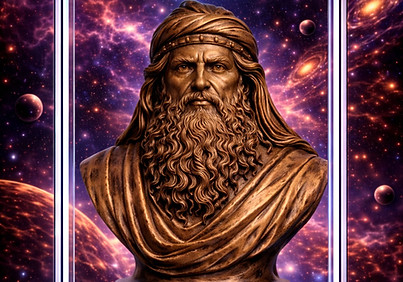
👤 יחזקאל הנביא
📊 Scientific data
Name: 🧬
The Prophet Ezekiel
Period: ⏳
~6th century BC
Location: 📍
Babylonian Exile 🇮🇶
Type: 🧾
Prophet – Visions and Mysticism ✡️👁️🔥
🧾 Description
Ezekiel was a prophet during the Babylonian exile.
Taken from the land after the destruction of the First Temple
Worked among the exiles
Gave hope to the people
Known for powerful mystical visions
The Merkava Vision 👁️🔥
Figures of angels
Bikes and wings
See the glory of God
Even outside Jerusalem
He prophesied about the return of the people.
And future redemption
The Vision of Dry Bones 💀➡️🧍♂️
A symbol of the revival of the people of Israel
Also described the future temple 🏛️
📜 Sources – Ezekiel
Bible – Book of Ezekiel 📖
📖 Research and commentary
Rashi
Radak
🌍 General information
Ezekiel symbolizes prophecy in exile
And a deep mystical vision
⚠️ Scientific discussion
The visions are seen as symbolic.
And not as a physical description
💡 Hypotheses
These may be profound prophetic experiences.
or symbolic expression of ideas

49
The Second Temple
📊 Scientific data
Name: 🧬
The Second Temple
Period: ⏳
Second Temple Period
(516 BC – 70 AD)
Location: 📍
Jerusalem – Temple Mount 🌍
Type: 🧾
Central religious building – temple ✡️
🧾 Description
The Second Temple was built
After the destruction of the First Temple
By Shavei Zion
And later expanded and renovated
Magnificently by Herod 🏛️
The temple was surrounded by walls.
Sacred courtyards and buildings
And in its center stood the hall
And the Holy of Holies
📖 Biblical source
📜 Book of Ezra 6
📜 Book of Nehemiah
🪨 Key ingredients
The Temple Courtyards
Hall
Holy of Holies
Altar of the burnt offering
Gates and walls
🕍 Role
Jewish Worship Center ✡️
Sacrifice 🔥
Pilgrimage center
👑 Leadership
The priests and the Levites
Managed the temple work
🏺 Historical passage
Destruction of the Second Temple in 70 AD
By the Roman Empire
Crossing sign
Judaism without a temple
🏺 Spiritual meaning
The temple symbolizes
👉 National Holiness Center
👉 Unity of the people
👉 A place of encounter with God
🌍 Historical context (Astrogeomanity)
The Second Temple represents
Advanced stage in development
Institutionalized religion
With a permanent ritual center
and a broad impact on identity
and world history
📚 Sources – The Second Temple
🔬 Academic sources
Encyclopaedia Britannica – Second Temple
https://www.britannica.com/topic/Second-Temple

50
👤 Prophet Malachi
📊 Data
Name: 🧬
angelic
Period: ⏳
Second Temple Period (~5th century BCE)
Location: 📍
Jerusalem 🇮🇱
Role: 🏛️
prophet
🧾 Description
Malachi is
The last of the prophets
In the Bible
📖 Follow the next
Return to Zion
and the construction of the Second Temple
⚖️ Content of his prophecy
Review of:
❌ Corrupt priests
❌ Careless work of God
❌ Injustice
🔥 Key messages
✔️ Loyalty to the alliance
✔️ The purity of temple work
✔️ Moral justice
👁️ Famous prophecy
👉 The coming of Elijah the Prophet
Before Thursday
📜 Sources
Book of Malachi 📖
🌍 General information
Angelic symbol
👉 End of the prophetic period

51
👤 עזרא הסופר
📊 Scientific data
Name: 🧬
Ezra the Writer
Period: ⏳
~5th century BC
Location: 📍
Babylon → Jerusalem 🇮🇱
Type: 🧾
Writer, priest and spiritual leader ✡️📜
🧾 Description
Ezra was a great priest and scribe.
Spiritual leader of Shavei Zion
Aliyah from Babylon to Jerusalem
After the Babylonian Exile
Work to strengthen the Torah
And Jewish identity
Read the Torah to the people 📖
and explained it
Founded a national religious revival
Together with Nehemiah
Amend important regulations
and introduced reforms
Considered to be the one who stabilized the Torah
During the Second Temple period
📜 Sources – Ezra
Bible – Book of Ezra 📖
📖 Research and commentary
Rashi
Ibn Ezra
🌍 General information
Ezra symbolizes the restoration of the spirit
And the Torah after the destruction
⚠️ Scientific discussion
The period is also documented in Persian sources.
💡 Hypotheses
He may have been a key figure.
In shaping Judaism as it is today

52
👤 Queen Esther
📊 Data
Name: 🧬
Esther
alias:
Hadassah
Nickname: 👑
The Queen
Period: ⏳
Persian period (~5th century BC)
Location: 📍
The Capital Lily 🇮🇷
Role: 🏛️
queen
🧾 Description
Esther is
Jewish Queen
Who saved the people of Israel
👨👩👧 Family
Cousin and adoptive son:
Mordechai
🔥 Main story
Haman's decree
To destroy the Jews
👑 Her accession to the throne
Chosen to be
Queen of Persia
⚖️ Decisive moment
Risked her life
And turned to the king
🗣️ Famous verse
👉 "And when I was lost, I was lost"
🎭 Result
Saving the Jews
And the fall of Haman
🎉 Holiday
Purim 🎭
📜 Sources
The Book of Esther 📖
🌍 General information
Esther symbolizes
👉 Hidden courage and divine providence

53
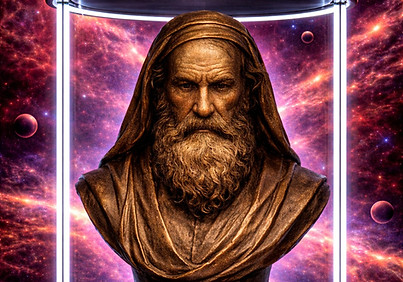
👤 Nehemiah
📊 Data
Name: 🧬
Nehemiah
Period: ⏳
5th century BC
Location: 📍
Peres → Jerusalem 🇮🇱
Role: 🏛️
Political and diplomatic leader
Governor of Judea
🧾 Description
Nehemiah was a high-ranking official
At the court of the King of Persia
(Artaxerxes)
Heard about the destruction of Jerusalem
And prayed
and received permission to immigrate
To Jerusalem
🔨 Work to build:
The walls of Jerusalem rebuilt 🏗️
Despite enemy resistance
He led the people.
In organization and discipline
📖 Together with Ezra:
Renewed the covenant
With the Torah
And the people
⚖️ Reforms:
War on corruption
Social correction
Strengthening the Sabbath
And Jewish identity
📜 Sources
Book of Nehemiah 📖
🌍 General information
Nehemiah represents
The political and practical side
Of the return to Zion
54
👤 Shimon the Righteous
📊 Data
Name: 🧬
Shimon the Righteous
Period: ⏳
Late 4th/early 3rd century BC
Location: 📍
Jerusalem 🇮🇱
Role: 🏛️
High Priest
From the leaders of the Great Knesset
🧾 Description
The righteous Shimon was
A very important high priest
During the Second Temple period
📖 Considered
To the last of the members of the Great Knesset
⚖️ The essence of his teachings
👉 "The world stands on three things":
📜 Torah
🙏 Work
🤝 Charity deeds
(Tractate Avot 1:2)
🌍 Historical role
Strengthened the temple work
And the leadership of the people
In transit
From prophecy → Wise men
👑 Famous tradition
Meet Alexander the Great ⚔️
Who respected him very much
📜 Sources
Mishnah – Tractate Avot
Josephus ben Matityahu
🌍 General information
Shimon the Tzadik symbolizes
The beginning of Rabbinic Judaism

55
👤 Hillel the Elder
📊 Data
Name: 🧬
Hillel the Elder
Period: ⏳
1st century BC
Location: 📍
Babylon → Jerusalem 🇮🇱
Role: 🏛️
Wise (Tana)
Spiritual leader
🧾 Description
Hillel was one
One of the greatest sages of Israel
📚 Head:
Beit Hillel
(Halakhic school)
⚖️ His approach
✔️ Patience
✔️ Humility
✔️ Love of a person
📖 Famous saying
👉 "What is hated about you
"Don't do it to your friend."
🔥 Well-known story
Ger wanted to learn the entire Torah.
in a hurry
👉 Hillel answered him with this sentence
⚔️ Dispute
With Shammai
(House of Shammai)
📜 Important innovation
Prosboll regulation
(to help the poor)
📜 Sources
Mishnah – Tractate Avot
Talmud
🌍 General information
Hillel symbolizes
👉 The foundation of morality and kindness

56
Arrangement
📊 Data
Name: 🧬
Arrangement
Period: ⏳
From the period after the destruction of the Second Temple (70 CE) to the present day
Location: 📍
The Land of Israel and the Jewish World 🌍
Type: 🧾
Jewish prayer book ✡️
🧾 Description
The Siddur is a central prayer book.
Used by the Jews
For daily prayer
And connect with the Holy One, Blessed be He.
📖 The source of prayer
The first prayers
Determined by the members of the Great Knesset
After the destruction of the Temple
🏛️ Early period (70–500 AD)
Formulating regular prayers
Like the standing prayer
And reading the Shema
📜 Main prayers
Shema Israel
Eighteenth Prayer
Greetings
🕍 The Era of the Sages (200–500 CE)
Prayer schedule
and passing them on from generation to generation
📖 Middle Ages (500–1500 AD)
Writing the first arrangements
In the form of a book
👑 Important arrangements
Siddur Rav Amram Gaon
Siddur Rav Saadia Gaon
🖋️ Features
Hebrew as a sacred language
Permanent structure
Division by day's prayers
✡️ Modern Times (1500 AD – Present)
Printing arrangements
And distribute them to all communities of Israel
🌍 Today's arrangement
Available in every synagogue
And in every Jewish community
With different formulas
(Ashkenazi, Sephardic, Eastern Orthodox)
🕍 Religious meaning
Prayer replaces sacrifices
And connects man with God
🌍 Historical context (Astrogeomanity)
The arrangement reflects the development
The spiritual identity of the Jewish people
📚 Sources – Siddur
🔬 Academic sources
Encyclopaedia Britannica – Siddur
https://www.britannica.com/topic/siddur
Jewish Virtual Library – Prayer
https://www.jewishvirtuallibrary.org/prayer
Sefaria – Jewish texts
https://www.sefaria.org
📖 Religious sources
Babylonian Talmud 📜
Siddur Rav Amram Gaon
Siddur Rav Saadia Gaon
📖 Research and publications
Elbogen, Ismar (1993)
Jewish Liturgy: A Comprehensive History
Reif, Stefan (1995)
Judaism and Hebrew Prayer
🌍 General information
The arrangement reflects
👉 Direct connection with God
👉 Unity of the Jewish people
👉 Continuity of the tradition of prayer
⚠️ Scientific discussion
There are differences.
Among the prayer formulas
and their historical development
💡 Main idea
👉 Prayer is the heart of spiritual life 🔥

57
מצדה
📊 Data
Name: 🧬
From Masada
Period: ⏳
Second Temple Period (ca. 37 BCE – 73 CE)
Location: 📍
Judean Desert, near the Dead Sea
Type: 🧾
Desert Fortress – a historical and national site ✡️
🧾 Description
Masada is an impressive mountain fortress
Built by King Herod
and served as a place of refuge
And finally as a symbol of Jewish heroism
👑 King Herod
Build Masada
Like a palace and a fortress
With advanced protection systems
🏛️ Features
Strong walls
Magnificent palaces
Food and water storage facilities
Advanced fortification system
⚔️ The Great Rebellion
During the revolt against the Romans
(66–73 AD)
Masada became a rebel stronghold
🛡️ Roman Siege
The Romans surrounded the mountain
And built a mighty battery
To break into the fortress
⚰️ The dramatic ending
When the Romans broke in
The rebels chose
To die and not fall into captivity
📖 Historical source
Josephus ben Matityahu 📜
🕍 National significance
Masada symbolizes
👉 Freedom
👉 Resistance
👉 Dedication
🌍 Historical context (Astrogeomanity)
The site reflects an advanced stage
In the development of Jewish society
And its national struggle
📚 Sources – Masada
🔬 Academic sources
Encyclopaedia Britannica – Masada
https://www.britannica.com/place/Masada
Israel Antiquities Authority
https://www.antiquities.org.il
UNESCO – Masada
https://whc.unesco.org/en/list/1040
📖 Historical sources
Josephus – The Wars of the Jews 📜
📖 Research and publications
Yadin, Yigael (1966)
Masada: Herod's Fortress
Netzer, Ehud (2006)
The Architecture of Herod
🌍 General information
Masada mirrors
👉 Jewish heroism
👉 Struggle for freedom
👉 National identity
⚠️ Scientific discussion
There is a dispute.
Regarding the details of the story
And the extent of collective suicide
💡 Main idea
👉 Freedom is better than slavery 🔥
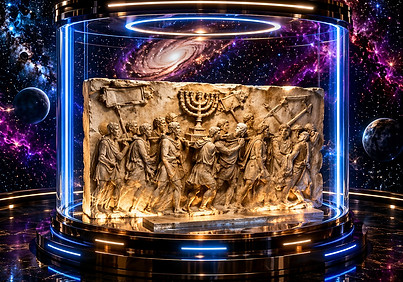
57
Relief of the Arch of Titus
📊 Data
Name: 🧬
Relief of the Arch of Titus
Period: ⏳
Roman Empire
(1st century AD, after 70 AD)
Location: 📍
Rome, Italy 🌍
Type: 🧾
Historical relief – Roman art 🏛️
🧾 Description
The relief on the Arch of Titus
Describes the victory of the Romans
About Jerusalem
And the destruction of the Second Temple 🔥
The relief shows Roman soldiers.
Carrying the temple vessels
And especially the menorah ✡️
📖 Historical source
The event is also documented in the writings of
Josephus Flavius 📜
The Jewish War
🪨 Key ingredients
Roman soldier figures
The Menorah ✡️
Temple vessels
Victory procession
🕍 Role
Commemorating the victory of Rome 🏛️
Visual documentation of the destruction of the Temple
An important historical symbol
👑 Leadership
Emperor Titus
Who led the war
Against Judah
🏺 Spiritual meaning
The relief symbolizes
👉 Destruction and loss
👉 Exile and dispersion
👉 Deep historical memory
🌍 Historical context (Astrogeomanity)
The relief represents
A dramatic turning point
In Jewish history
And the transition
From the temple center
Diaspora identity
And more spiritual
📚 Sources – Titus Gate
🔬 Academic sources
Encyclopaedia Britannica – Arch of Titus
https://www.britannica.com/topic/Arch-of-Titus
Jewish Virtual Library – Arch of Titus
https://www.jewishvirtuallibrary.org/arch-of-titus
The Metropolitan Museum of Art
https://www.metmuseum.org
📖 Research and publications
Goodman, Martin (2007)
Rome and Jerusalem
Millar, Fergus (1993)
The Roman Near East
⚠️ Scientific discussion
The relief is considered a reliable source.
But he presents
Roman perspective
And not Jewish
💡 Main idea
👉 The memory of the destruction shapes identity 🔥
57
Relief of the Arch of Titus
📊 Data
Name: 🧬
Relief of the Arch of Titus
Period: ⏳
Roman Empire
(1st century AD, after 70 AD)
Location: 📍
Rome, Italy 🌍
Type: 🧾
Historical relief – Roman art 🏛️
🧾 Description
The relief on the Arch of Titus
Describes the victory of the Romans
About Jerusalem
And the destruction of the Second Temple 🔥
The relief shows Roman soldiers.
Carrying the temple vessels
And especially the menorah ✡️
📖 Historical source
The event is also documented in the writings of
Josephus Flavius 📜
The Jewish War
🪨 Key ingredients
Roman soldier figures
The Menorah ✡️
Temple vessels
Victory procession
🕍 Role
Commemorating the victory of Rome 🏛️
Visual documentation of the destruction of the Temple
An important historical symbol
👑 Leadership
Emperor Titus
Who led the war
Against Judah
🏺 Spiritual meaning
The relief symbolizes
👉 Destruction and loss
👉 Exile and dispersion
👉 Deep historical memory
🌍 Historical context (Astrogeomanity)
The relief represents
A dramatic turning point
In Jewish history
And the transition
From the temple center
Diaspora identity
And more spiritual
📚 Sources – Titus Gate
🔬 Academic sources
Encyclopaedia Britannica – Arch of Titus
https://www.britannica.com/topic/Arch-of-Titus
Jewish Virtual Library – Arch of Titus
https://www.jewishvirtuallibrary.org/arch-of-titus
The Metropolitan Museum of Art
https://www.metmuseum.org
📖 Research and publications
Goodman, Martin (2007)
Rome and Jerusalem
Millar, Fergus (1993)
The Roman Near East
⚠️ Scientific discussion
The relief is considered a reliable source.
But he presents
Roman perspective
And not Jewish
💡 Main idea
👉 The memory of the destruction shapes identity 🔥
57
Relief of the Arch of Titus
📊 Data
Name: 🧬
Relief of the Arch of Titus
Period: ⏳
Roman Empire
(1st century AD, after 70 AD)
Location: 📍
Rome, Italy 🌍
Type: 🧾
Historical relief – Roman art 🏛️
🧾 Description
The relief on the Arch of Titus
Describes the victory of the Romans
About Jerusalem
And the destruction of the Second Temple 🔥
The relief shows Roman soldiers.
Carrying the temple vessels
And especially the menorah ✡️
📖 Historical source
The event is also documented in the writings of
Josephus Flavius 📜
The Jewish War
🪨 Key ingredients
Roman soldier figures
The Menorah ✡️
Temple vessels
Victory procession
🕍 Role
Commemorating the victory of Rome 🏛️
Visual documentation of the destruction of the Temple
An important historical symbol
👑 Leadership
Emperor Titus
Who led the war
Against Judah
🏺 Spiritual meaning
The relief symbolizes
👉 Destruction and loss
👉 Exile and dispersion
👉 Deep historical memory
🌍 Historical context (Astrogeomanity)
The relief represents
A dramatic turning point
In Jewish history
And the transition
From the temple center
Diaspora identity
And more spiritual
📚 Sources – Titus Gate
🔬 Academic sources
Encyclopaedia Britannica – Arch of Titus
https://www.britannica.com/topic/Arch-of-Titus
Jewish Virtual Library – Arch of Titus
https://www.jewishvirtuallibrary.org/arch-of-titus
The Metropolitan Museum of Art
https://www.metmuseum.org
📖 Research and publications
Goodman, Martin (2007)
Rome and Jerusalem
Millar, Fergus (1993)
The Roman Near East
⚠️ Scientific discussion
The relief is considered a reliable source.
But he presents
Roman perspective
And not Jewish
💡 Main idea
👉 The memory of the destruction shapes identity 🔥
57
Relief of the Arch of Titus
📊 Data
Name: 🧬
Relief of the Arch of Titus
Period: ⏳
Roman Empire
(1st century AD, after 70 AD)
Location: 📍
Rome, Italy 🌍
Type: 🧾
Historical relief – Roman art 🏛️
🧾 Description
The relief on the Arch of Titus
Describes the victory of the Romans
About Jerusalem
And the destruction of the Second Temple 🔥
The relief shows Roman soldiers.
Carrying the temple vessels
And especially the menorah ✡️
📖 Historical source
The event is also documented in the writings of
Josephus Flavius 📜
The Jewish War
🪨 Key ingredients
Roman soldier figures
The Menorah ✡️
Temple vessels
Victory procession
🕍 Role
Commemorating the victory of Rome 🏛️
Visual documentation of the destruction of the Temple
An important historical symbol
👑 Leadership
Emperor Titus
Who led the war
Against Judah
🏺 Spiritual meaning
The relief symbolizes
👉 Destruction and loss
👉 Exile and dispersion
👉 Deep historical memory
🌍 Historical context (Astrogeomanity)
The relief represents
A dramatic turning point
In Jewish history
And the transition
From the temple center
Diaspora identity
And more spiritual
📚 Sources – Titus Gate
🔬 Academic sources
Encyclopaedia Britannica – Arch of Titus
https://www.britannica.com/topic/Arch-of-Titus
Jewish Virtual Library – Arch of Titus
https://www.jewishvirtuallibrary.org/arch-of-titus
The Metropolitan Museum of Art
https://www.metmuseum.org
📖 Research and publications
Goodman, Martin (2007)
Rome and Jerusalem
Millar, Fergus (1993)
The Roman Near East
⚠️ Scientific discussion
The relief is considered a reliable source.
But he presents
Roman perspective
And not Jewish
💡 Main idea
👉 The memory of the destruction shapes identity 🔥
57
Relief of the Arch of Titus
📊 Data
Name: 🧬
Relief of the Arch of Titus
Period: ⏳
Roman Empire
(1st century AD, after 70 AD)
Location: 📍
Rome, Italy 🌍
Type: 🧾
Historical relief – Roman art 🏛️
🧾 Description
The relief on the Arch of Titus
Describes the victory of the Romans
About Jerusalem
And the destruction of the Second Temple 🔥
The relief shows Roman soldiers.
Carrying the temple vessels
And especially the menorah ✡️
📖 Historical source
The event is also documented in the writings of
Josephus Flavius 📜
The Jewish War
🪨 Key ingredients
Roman soldier figures
The Menorah ✡️
Temple vessels
Victory procession
🕍 Role
Commemorating the victory of Rome 🏛️
Visual documentation of the destruction of the Temple
An important historical symbol
👑 Leadership
Emperor Titus
Who led the war
Against Judah
🏺 Spiritual meaning
The relief symbolizes
👉 Destruction and loss
👉 Exile and dispersion
👉 Deep historical memory
🌍 Historical context (Astrogeomanity)
The relief represents
A dramatic turning point
In Jewish history
And the transition
From the temple center
Diaspora identity
And more spiritual
📚 Sources – Titus Gate
🔬 Academic sources
Encyclopaedia Britannica – Arch of Titus
https://www.britannica.com/topic/Arch-of-Titus
Jewish Virtual Library – Arch of Titus
https://www.jewishvirtuallibrary.org/arch-of-titus
The Metropolitan Museum of Art
https://www.metmuseum.org
📖 Research and publications
Goodman, Martin (2007)
Rome and Jerusalem
Millar, Fergus (1993)
The Roman Near East
⚠️ Scientific discussion
The relief is considered a reliable source.
But he presents
Roman perspective
And not Jewish
💡 Main idea
👉 The memory of the destruction shapes identity 🔥
57
Relief of the Arch of Titus
📊 Data
Name: 🧬
Relief of the Arch of Titus
Period: ⏳
Roman Empire
(1st century AD, after 70 AD)
Location: 📍
Rome, Italy 🌍
Type: 🧾
Historical relief – Roman art 🏛️
🧾 Description
The relief on the Arch of Titus
Describes the victory of the Romans
About Jerusalem
And the destruction of the Second Temple 🔥
The relief shows Roman soldiers.
Carrying the temple vessels
And especially the menorah ✡️
📖 Historical source
The event is also documented in the writings of
Josephus Flavius 📜
The Jewish War
🪨 Key ingredients
Roman soldier figures
The Menorah ✡️
Temple vessels
Victory procession
🕍 Role
Commemorating the victory of Rome 🏛️
Visual documentation of the destruction of the Temple
An important historical symbol
👑 Leadership
Emperor Titus
Who led the war
Against Judah
🏺 Spiritual meaning
The relief symbolizes
👉 Destruction and loss
👉 Exile and dispersion
👉 Deep historical memory
🌍 Historical context (Astrogeomanity)
The relief represents
A dramatic turning point
In Jewish history
And the transition
From the temple center
Diaspora identity
And more spiritual
📚 Sources – Titus Gate
🔬 Academic sources
Encyclopaedia Britannica – Arch of Titus
https://www.britannica.com/topic/Arch-of-Titus
Jewish Virtual Library – Arch of Titus
https://www.jewishvirtuallibrary.org/arch-of-titus
The Metropolitan Museum of Art
https://www.metmuseum.org
📖 Research and publications
Goodman, Martin (2007)
Rome and Jerusalem
Millar, Fergus (1993)
The Roman Near East
⚠️ Scientific discussion
The relief is considered a reliable source.
But he presents
Roman perspective
And not Jewish
💡 Main idea
👉 The memory of the destruction shapes identity 🔥
57
Relief of the Arch of Titus
📊 Data
Name: 🧬
Relief of the Arch of Titus
Period: ⏳
Roman Empire
(1st century AD, after 70 AD)
Location: 📍
Rome, Italy 🌍
Type: 🧾
Historical relief – Roman art 🏛️
🧾 Description
The relief on the Arch of Titus
Describes the victory of the Romans
About Jerusalem
And the destruction of the Second Temple 🔥
The relief shows Roman soldiers.
Carrying the temple vessels
And especially the menorah ✡️
📖 Historical source
The event is also documented in the writings of
Josephus Flavius 📜
The Jewish War
🪨 Key ingredients
Roman soldier figures
The Menorah ✡️
Temple vessels
Victory procession
🕍 Role
Commemorating the victory of Rome 🏛️
Visual documentation of the destruction of the Temple
An important historical symbol
👑 Leadership
Emperor Titus
Who led the war
Against Judah
🏺 Spiritual meaning
The relief symbolizes
👉 Destruction and loss
👉 Exile and dispersion
👉 Deep historical memory
🌍 Historical context (Astrogeomanity)
The relief represents
A dramatic turning point
In Jewish history
And the transition
From the temple center
Diaspora identity
And more spiritual
📚 Sources – Titus Gate
🔬 Academic sources
Encyclopaedia Britannica – Arch of Titus
https://www.britannica.com/topic/Arch-of-Titus
Jewish Virtual Library – Arch of Titus
https://www.jewishvirtuallibrary.org/arch-of-titus
The Metropolitan Museum of Art
https://www.metmuseum.org
📖 Research and publications
Goodman, Martin (2007)
Rome and Jerusalem
Millar, Fergus (1993)
The Roman Near East
⚠️ Scientific discussion
The relief is considered a reliable source.
But he presents
Roman perspective
And not Jewish
💡 Main idea
👉 The memory of the destruction shapes identity 🔥
57
Relief of the Arch of Titus
📊 Data
Name: 🧬
Relief of the Arch of Titus
Period: ⏳
Roman Empire
(1st century AD, after 70 AD)
Location: 📍
Rome, Italy 🌍
Type: 🧾
Historical relief – Roman art 🏛️
🧾 Description
The relief on the Arch of Titus
Describes the victory of the Romans
About Jerusalem
And the destruction of the Second Temple 🔥
The relief shows Roman soldiers.
Carrying the temple vessels
And especially the menorah ✡️
📖 Historical source
The event is also documented in the writings of
Josephus Flavius 📜
The Jewish War
🪨 Key ingredients
Roman soldier figures
The Menorah ✡️
Temple vessels
Victory procession
🕍 Role
Commemorating the victory of Rome 🏛️
Visual documentation of the destruction of the Temple
An important historical symbol
👑 Leadership
Emperor Titus
Who led the war
Against Judah
🏺 Spiritual meaning
The relief symbolizes
👉 Destruction and loss
👉 Exile and dispersion
👉 Deep historical memory
🌍 Historical context (Astrogeomanity)
The relief represents
A dramatic turning point
In Jewish history
And the transition
From the temple center
Diaspora identity
And more spiritual
📚 Sources – Titus Gate
🔬 Academic sources
Encyclopaedia Britannica – Arch of Titus
https://www.britannica.com/topic/Arch-of-Titus
Jewish Virtual Library – Arch of Titus
https://www.jewishvirtuallibrary.org/arch-of-titus
The Metropolitan Museum of Art
https://www.metmuseum.org
📖 Research and publications
Goodman, Martin (2007)
Rome and Jerusalem
Millar, Fergus (1993)
The Roman Near East
⚠️ Scientific discussion
The relief is considered a reliable source.
But he presents
Roman perspective
And not Jewish
💡 Main idea
👉 The memory of the destruction shapes identity 🔥
🔥 Summary of Showcase 16
A tradition that connects past, present, and future —
and creates a living and lasting identity